Tom F. Anders Seminar Series

Tom F. Anders Seminar Series, formerly known as the Providence Sleep Research Interest Group (PSRIG), was formed in 1990 and provides an opportunity for scientists and clinicians to interact on a monthly basis for the scholarly exchange of ideas and information pertaining to the area of sleep and circadian rhythms. Historically, individuals from the surrounding areas of Rhode Island, Connecticut, Massachusetts, and sometimes other parts of the country, participated in these monthly meetings.

This year the series will be held virtually and we are thrilled to present a diverse lineup of speakers from various institutions both nationally and internationally, and to open this series to a wider audience. We hope to maintain an atmosphere that is informal, intimate, and sleep-sophisticated.

TFASS seminars will be held via Zoom at 12pm on the 3rd Tuesday of each month (except October, which is on the 13th) during the academic year. Invited speakers represent diverse backgrounds and approaches in their study of sleep and chronobiological issues, including basic and clinical research.

If you would like to be added to the TFASS mailing list, or for links to past recordings, please email Kathleen O’Hora at kathleen_ohora@brown.edu.

Dates for the 2026-2027 academic year are listed below and will be updated with more details as speakers and presentation topics are confirmed.

To register for an individual date, click HERE.
Seminar Series Speakers

cirelli

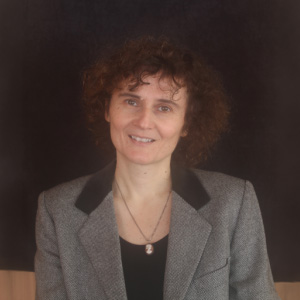
Chiara Cirelli, M.D. Ph.D.

Professor and Vice-Chair for Research, Chair in Sleep Research, Dept of Psychiatry, University of Wisconsin – Madison

TALK TITLE

Sleep and Synaptic Homeostasis

September 15, 2026

Sleep is universal and tightly regulated, and many cognitive functions are impaired if we do not sleep, including learning and memory, inhibitory control, and emotion regulation. But why? I will discuss a comprehensive hypothesis about the core function of sleep — the Synaptic Homeostasis Hypothesis (SHY) — according to which sleep is the price we pay for brain plasticity. During wakefulness, the excitatory synapses that allow neurons to communicate with each other undergo net potentiation as a result of learning, an ongoing process that continuously adapts us to an ever-changing environment. The plasticity of the brain is essential for survival but is also costly, because stronger synapses increase the demand for energy and cellular supplies, lead to decreases in signal-to-noise ratios, and saturate the ability to learn. According to SHY, while our brain is offline during sleep, neural circuits are reactivated in a neuromodulatory milieu that promotes the renormalization of synaptic strength. This renormalization favors memory consolidation and the integration of new memories with old ones, and weakens the synapses that contribute more to the “noise” than to the “signal.” Just as crucially, synaptic renormalization during sleep restores the homeostasis of energy and cellular supplies, including many proteins and lipids that are part of the synapses, with beneficial effects at both the systems and cellular levels. I will lay out the rationale underlying this hypothesis, summarize studies in flies, rodents, and humans that have confirmed SHY’s main predictions and identified underlying mechanisms, and close with open questions and future challenges.